%201%20%5BVectorized%5D.svg)


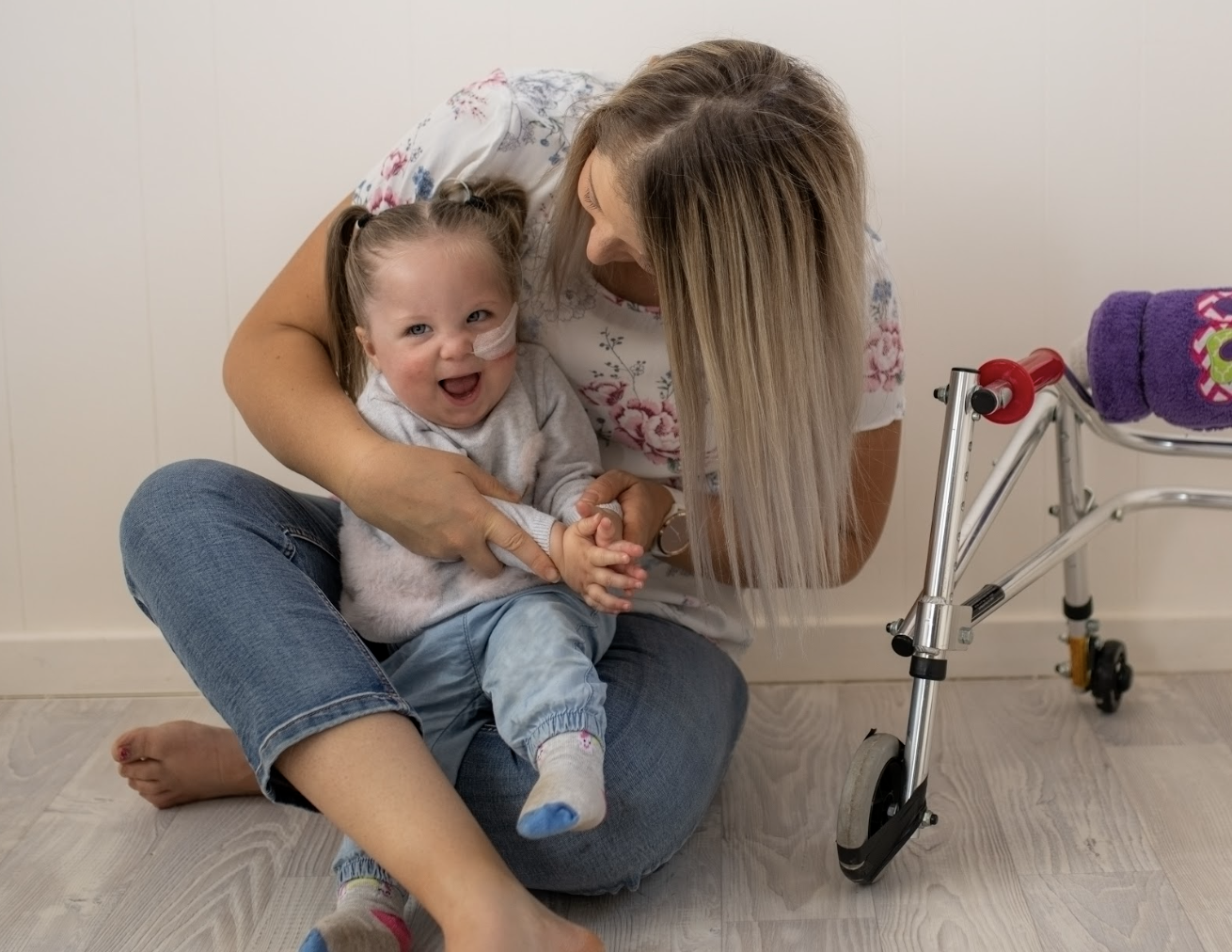
When Pippa got her first NDIS plan, I had absolutely no idea what I was doing.
Looking back, I can see the woman who helped us navigate those first steps was from Kudos, doing outreach into regional South Australia once a month. At the time though? I had no clue. None. Zero. Zilch.
I try to remember that version of me every time I work with a family now.
Because I was farking clueless.
Not lazy. Not incapable. Not "not trying hard enough." Just completely dropped into a system with its own language, its own unspoken rules, and an apparent expectation that I would somehow magically understand what everyone was talking about.
And then came the question nobody warned me about: how do you want to manage the funding?
I was told self-management was the best option because it gave you the most flexibility. I was a reasonably intelligent human. I thought: well, that sounds obvious then.
So I self-managed.
And off I went into the magical world of invoices, portals, payment requests, compliance obligations, and low-key panic. With absolutely no bloody clue what I was doing.
The Reality of Self-Management Nobody Tells You
I knew therapy was probably a fairly safe bet. And when I paid for oxygen and feeding tubes, NDIS fraud department never knocked on my door so I figured I was probably safe.
But that was it.
This was before there was any such thing as the NDIS supports lists. These days, if you're self-managing, you're expected to play unpaid NDIA delegate in your spare time, working out what is and is not an NDIS support, second-guessing every single purchase, keeping receipts for seven years, and praying that nothing you've claimed comes back to bite you.
There was just me, a portal, a child with significant needs, and a growing sense that I was one wrong claim away from being tackled.
I was absolutely petrified of losing the flexibility that self-management supposedly gave me.
But when I look back honestly, what did that flexibility actually give me?
A shit tonne more paperwork.
A heap more responsibility.
And the beginning of a stress ulcer because I was too scared to actually use the funding.
That's the bit no one tells you. People talk about self-management like it's freedom. And for some families, it genuinely is. But for me, it felt like being handed a bucket of money, no map, no real explanation, and then being told: good luck, don't stuff it up.
Why I Changed to Plan Management (And Haven't Looked Back)
After 18 months, I switched from self-managed to plan managed.
I'm still plan managed today. I don't see that changing any time soon.
And here's the thing: I do more now that I'm plan managed than I ever did when I was self-managing.
Why?
Because I have backup.
I can ask someone whether something is compliant before I spend the money. I can check whether an invoice is right. I can get help tracking budgets. I can stop lying awake at night wondering whether I've accidentally paid for something that will come back to bite me six months from now.
That peace of mind is worth its weight in gold.
Good plan management, and I want to be really clear here, not crap plan management, not glorified invoice processing with a logo slapped on it, but good plan management, actually reduces mental load. It helps you understand what's going on. It keeps the flexibility of using both registered and unregistered providers, without you personally carrying all the stress and compliance risk.
Most parents of children with disabilities are not sitting around craving more admin. We're not dreaming of extra invoice processing. We're not getting a thrill from reconciling budgets in the portal at 10pm while stress-eating through the pantry (cooking chocolate anyone?).
What most of us want is to know: the bills are getting paid, the spending is compliant, the funding is tracking okay, and someone has our back when the NDIS decides to be the NDIS.
That's why I'm such a big believer in good plan management.

How to Actually Switch From Self-Managed to Plan Managed
Here's the bit I had built up in my head as a bureaucratic nightmare.
In reality?
I told the NDIS. Sent one email to our providers. That was basically it.
There are two ways to make this change, and which one applies to you depends on where you are in your plan cycle.
Option 1: At your next plan reassessment
If your plan is coming up for renewal, this is the simplest path. You just tell the NDIA at your planning meeting that you'd like to move to plan managed. They will add funding for a plan manager separately in your new plan, it doesn't come out of your therapy or other support budgets. It is literally the only category of funding you will ever get from the NDIS that you dont have to provide evidence for.
Option 2: During your current plan — a plan variation
You don't have to wait for a new plan. Under section 47A of the NDIS Act, you can request a plan variation to change your funding management type during your current plan period. This is sometimes called a "minor reassessment" or a variation request.
In plain English: you contact your NDIS contact (aka early childhood coordinator, Local Area Coordinator) and tell them you want to change from being self managed to plan managed.
A small but important note for self-managed participants with older plans:
I'll be straight with you here, because I'd rather you know this going in than find out later.
For most families, requesting a plan variation to add plan management is a simple administrative change. But for some participants, particularly those with older plans/plans that haven't been reassessed in a while, there is a small risk that the NDIA could treat the request as an opportunity to conduct a full plan reassessment.
This isn't common however I have seen it happen and I couldn’t live with myself if I didn't share this with you.
If your plan is newer and has been recently reassessed, you're very unlikely to have an issue.
If you're not sure where you sit, it's worth having a conversation with your NDIS contact and/or your support coordinator before you request the variation.
The bottom line: for the vast majority of families, this switch is exactly as simple as it sounds. The risk is real but small. Don't let it stop you from making a change that would genuinely help your family, but go in with your eyes open.
What Happens After You Switch
Once the variation is approved and you receive plan management funding, your next steps are:
- Find a plan manager! It’s important you take your time, talk to different providers and get a feel for who is the best fit for your family. I hear that Kindship mob is pretty good, just saying.
- Endorse the plan manager. Your new plan manager will help you with this.
- You let your existing providers know about the change. 1 email is all that’s needed. They'll send invoices to your plan manager instead of to you.
- Your plan manager processes those invoices, claims against the NDIS portal, and pays providers on your behalf.
- You get monthly budget statements so you can see how the funding is tracking.
At Kindship, we give families a template email to send to providers when they make the switch, because no parent needs to be burning precious brain cells drafting admin emails from scratch.
Already Plan Managed? Here's How to Switch to a Different Plan Manager
Now for the families who are already plan managed but wondering whether there's a better fit out there.
You are allowed to change plan managers at any time. Full stop.
You don't need a reason. You don't need to wait for a new plan.
Most service agreements will tell you how much notice you need to give your plan manager when you want to end services, its usually 30 days. Check yours.
To switch to Kindship from your current plan manager, here's what happens:
- You let your current plan manager know you're ending services. Give them the required notice.
- You sign a new service agreement with your new plan manager.
- Your new plan manager will help you through the endorsement process with the NDIA (usually an email or a quick phone call is all thats needed)
- You notify your providers of the change
- From the changeover date, invoices go to your new plan manager.
That's it.
You don't need a new plan. You don't need to call the NDIA and explain yourself. You just need to give notice and sign up with someone new.
A lot of families stay with a plan manager who isn't serving them well because they assume changing will be a whole big dramatic process. It is almost never as complicated as families expect.
If your current plan manager is hard to contact, slow to pay invoices, or leaving you more confused than supported, that is worth acting on. The point of plan management is to make your life easier. If it's not doing that, something has gone sideways.
FAQs About Changing NDIS Plan Management
Can I change from self-managed to plan managed at any time?
Yes. You can request a plan variation to add plan management to your current plan at any time during the plan period. You don't need to wait for a new plan. Contact the NDIA directly or ask a support coordinator or your NDIS contact to assist you.
Will switching to plan management cost me money from my other supports?
No. Plan management is funded separately under the "Improved Life Choices". It doesn't come out of your therapy, community participation, or other support budgets.
Is there a risk that changing my plan management type could trigger a full plan reassessment?
For most participants, no. A plan variation to change funding management type is a routine administrative change. There is a small risk for participants with older plans or significantly out-of-date funding that the NDIA may treat it as an opportunity for a full plan reassessment. If you're unsure, speak with a support coordinator, plan manager, or advocate before requesting the change.
How long does it take to switch to a new plan manager?
Depending on the notice you need to give your currently your provider, you can be signed ip with a new one in as little as 48 hours. If you are switching from self managed to plan managed, it will take however long the NDIA take to review the request. As soon as they give you the new plan, you can sign up with a plan manager straight away.
Do I need to notify my providers when I change plan managers?
Yes. Your providers need to know who to send invoices to. A quick email is all it takes, and at Kindship, we give you a template so you don't have to write it yourself.
What if I want to go back to self-management later?
You can. The same process applies in reverse, request a variation or make the change at your next plan reassessment. Keep in mind the same reassessment risk note applies if your plan is older.
The Bit I Want to Leave You With
If you've been white-knuckling it through self-management because you're scared of losing control, I get it.
I was you.
And if you're already plan managed but suspect there's a better fit out there, that's worth listening to.
Because sometimes having more support doesn't mean giving up control.
Sometimes it means finally having enough backup to actually use the funding with confidence.
And that is a very different thing.
Want to know if Kindship is a good fit for your family? Book a free call with our team — no pressure, no sales pitch, just a straight conversation about what you need and whether we can help.
Book a free call with Kindship


.png)

